

What is Chair Massage? A Guide for Office Workers
In today's fast-paced work environment, stress and physical discomfort have become all too common among office workers. Prolonged sitting, poor posture, and the strain of meeting tight deadlines can lead to stiff muscles, backaches, and an overall decline in well-being. However, there's a solution that's gaining popularity for its convenience, affordability, and significant benefits: Chair massage.
But what exactly is chair massage? How can it improve your work life, and why should it find a place in your office? This comprehensive guide will explore everything you need to know about chair massage, from its background and benefits to its implementation in the workplace.
Whether you're an office worker dealing with daily stress or an employer seeking ways to improve your team's morale and productivity, this guide could be the key to a healthier, happier work environment.
What Is Chair Massage
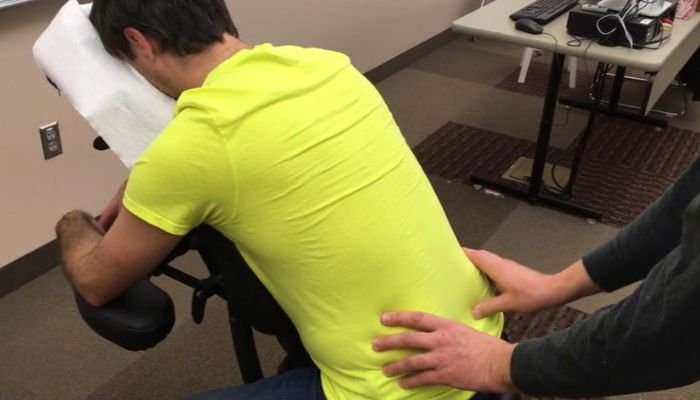
A chair massage is a type of massage therapy performed while the client sits in a specialized, ergonomically designed chair. Unlike other forms of massage where the client lies down on a table, chair massage allows you to remain fully clothed and doesn't require any use of massage oils.
This style of massage therapy was first popularized in the 1980s by David Palmer, who is often referred to as the "father of chair massage." Palmer recognized that traditional table massages weren't always practical or accessible, especially in settings like offices.
To address this, he designed a chair that allowed therapists to effectively massage the back, neck, shoulders, and arms, targeting the areas most commonly affected by workplace stress and strain.
The true beauty of chair massage lies in its simplicity and adaptability. It provides a streamlined way to receive therapeutic touch without needing a private space or extra time to undress and dress. Typically, a chair massage session can range from 10 to 30 minutes, making it a perfect stress-buster during a lunch break or even between meetings.
Chair massage is distinct from other types of massages in its approach. While a Swedish massage may aim to relax your whole body and a deep tissue massage targets layers of muscles and tendons, a chair massage focuses on relieving tension in your upper body.
It employs techniques such as kneading, compression, and tapotement to improve circulation, soothe tense muscles, and invigorate your body.
In the upcoming sections, we'll explore how these features make chair massage a powerful tool to enhance wellness and productivity in the office setting.
Benefits of Chair Massage for Office Workers
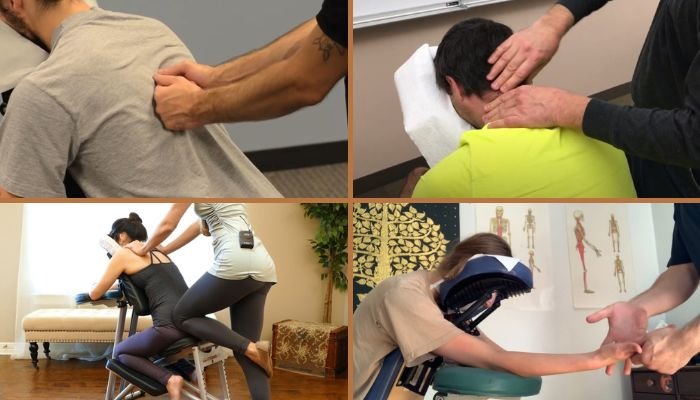
Chair massage isn't just a momentary escape from the daily grind—it provides tangible health benefits that can dramatically enhance your work life. Let's break down these benefits into two categories: physical and psychological.
Physical Benefits
Reduction of Muscle Tension and Stiffness: Sitting in front of a computer for hours can lead to significant tension in the back, neck, and shoulders. Chair massage targets these problem areas, applying pressure to the muscles to help them relax and unwind.
Alleviation of Back, Neck, and Shoulder Pain: By focusing on key areas of tension, chair massage can help alleviate common pain points, potentially reducing the need for pain medication.
Improvement of Posture: Long periods of sitting can lead to poor posture, which further exacerbates muscle strain and discomfort. Regular chair massages can help correct imbalances in the body, promoting better posture and reducing the risk of musculoskeletal issues.
Psychological Benefits
Stress Relief: Massage therapy, including chair massage, has been shown to lower levels of cortisol, the body's main stress hormone. This can result in a more relaxed, calm state of mind.
Boosting Morale and Productivity: By reducing physical discomfort and stress, chair massage can leave employees feeling rejuvenated and more focused, which can, in turn, boost morale and productivity.
Decrease in Anxiety Levels: The calming effect of chair massage can also help reduce anxiety, promoting overall mental well-being.
Numerous studies support these benefits. For instance, a study published in the American Journal of Public Health found that workplace massage can reduce pain and improve mood, while another study in the International Journal of Neuroscience demonstrated that massage can decrease cortisol levels and increase serotonin and dopamine, which are associated with feelings of well-being.
Whether you're seeking relief from pain, a boost in mood, or an overall increase in job satisfaction, chair massage has something to offer. In the next section, we'll walk you through what to expect during a chair massage session.
The Process of Chair Massage
Preparation and Setup: Equipment and Environment
A chair massage doesn't require a private room or a massage table. Instead, the massage therapist brings a specially designed, portable chair that you can sit in comfortably. This chair supports your chest, arms, and head, allowing you to relax while keeping your back and neck exposed for the massage.
Before the session begins, the therapist will adjust the chair to suit your body size and shape, ensuring that you're as comfortable as possible. You won't need to undress, but it's best to wear non-restrictive clothing to allow the therapist to work effectively.
Description of a Typical Session: Duration, Techniques Used
Once you're seated comfortably, the massage therapist will use a variety of techniques to relieve tension in your muscles. These may include kneading, compression, friction, and stretching, focusing primarily on your neck, shoulders, back, and arms.
A typical chair massage session can last anywhere from 10 to 30 minutes, making it easy to fit into a busy work schedule. The therapist will generally check in with you regarding pressure and comfort levels throughout the session to ensure you're having a positive experience.
Post-Massage Advice and Precautions
After the massage, it's important to get up slowly to ensure you don't feel light-headed. Drink plenty of water to help flush out any toxins released during the massage, and try to take a few moments to relax and enjoy the sense of calm and well-being.
Though chair massages are generally safe for most people, there are certain conditions where they might not be recommended, such as during the first trimester of pregnancy or if you have certain health issues like uncontrolled high blood pressure. Always communicate with your therapist about any health concerns you might have.
In the following section, we will delve into how chair massage can be implemented in the workplace and what to consider for an effective program.
Chair Massage in the Workplace

Convincing the Management: Costs vs. Benefits
First, you'll need to make a compelling case to management about the benefits of chair massage. Highlight the physical and psychological benefits we've discussed earlier, and talk about how these could result in improved employee morale and productivity, and potentially even reduced healthcare costs.
Emphasize the convenience and flexibility of chair massage and how it can fit seamlessly into the workday.
Organizing Chair Massage Sessions: Frequency, Timing, Location
Next, consider the logistics. Decide how often you'll offer massages (weekly, biweekly, monthly), and choose a time that will cause minimal disruption to the workday. Lunchtime or late afternoon could be ideal. Choose a quiet, relaxing location where employees will feel comfortable, such as a vacant meeting room or break room.
Guidelines for Employees: When Not to Have a Massage, Attire, etc.
Lastly, set some guidelines for employees. Make sure they understand when it's not appropriate to have a massage (for example, if they're feeling ill), and remind them to wear suitable clothing on massage days. It's also important to ensure that participation is entirely voluntary.
Implementing chair massage in the workplace can be a win-win: employees enjoy the health benefits and stress relief, while employers benefit from a happier, more productive team. In the next section, we'll provide some tips on how to maximize the effectiveness of your chair massage sessions.
Tips for Maximizing the Effectiveness of Chair Massage
Regularity of Sessions
One-off massage sessions can provide temporary relief, but for more lasting benefits, it's best to schedule regular sessions. Consider setting up weekly or bi-weekly chair massages to provide consistent stress relief and muscle tension reduction.
Complementary Practices
In addition to chair massage, encourage practices like regular stretching, ergonomically designed workstations, and short breaks to move around throughout the day. These habits can reinforce the benefits of the chair massage and contribute to overall wellness in the workplace.
Listening to the Body's Signals
Each individual's experience with chair massage will be unique. Encourage your team members to listen to their bodies and communicate with their massage therapists. If a certain technique feels particularly beneficial, or if something doesn't feel right, it's important to communicate this.
Maximizing the effectiveness of chair massage is about more than just the sessions themselves. It's about creating a culture of wellness, where employees feel valued and their well-being is a priority.
