
Is It Dangerous to Sleep in a Recliner? (Pros and Cons)
Recliners are widely appreciated for their comfort and versatility, often serving as a cozy refuge after a long, tiring day. With the ability to adjust the positioning to suit one's comfort, it's no surprise that many people occasionally doze off or even intentionally opt to sleep in their recliners. However, is this practice beneficial, or does it pose risks that might outweigh the perceived comfort?
This article looks into the pros and cons of sleeping in a recliner, providing a balanced perspective from both sides of the argument. As we navigate through the advantages that may benefit individuals with specific health conditions, we'll also expose potential drawbacks that could impact general health and well-being.
What Is a Reclining Chair Exactly, and Why Do People Sleep in Them?

Recliners are a type of armchair or sofa that reclines when the occupant lowers the chair's back and raises its front. They often have a backrest that can be tilted back and may include a footrest that extends via a lever on the side of the chair or may extend automatically when the back is reclined. Recliners have been a staple in living spaces for many years, offering an appealing blend of comfort and flexibility.
They come in many styles and sizes, from traditional designs to modern takes. Some offer manual adjustments, while others are power-operated, allowing you to find your perfect position at the touch of a button.
There are also varying levels of cushioning and support, with some recliners even offering heating and massage functions. With such variety, it's easy to find a recliner that matches personal aesthetic preferences and comfort requirements.
People often use recliners for relaxation, reading, watching TV, and, yes - sleep. Whether intentionally or accidentally, many of us have found ourselves drifting off to sleep in the comfortable embrace of a recliner. For some, this is an occasional nap; for others, recliners serve as a regular sleep spot due to personal preference or health conditions that make a conventional bed uncomfortable or impractical.
Advantages of Sleeping in a Recliner
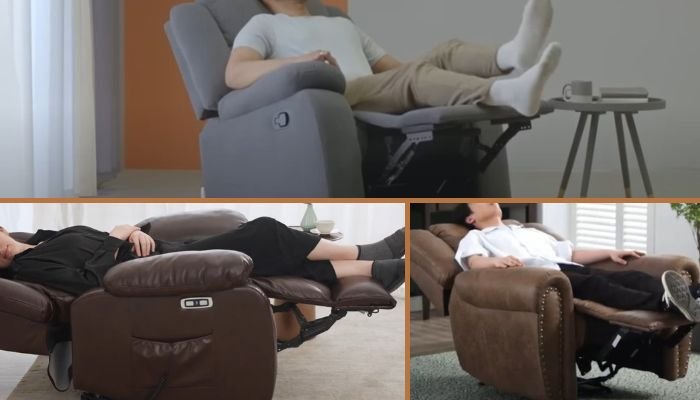
There are several potential benefits to sleeping in a recliner that may be particularly relevant to people with specific health conditions.
Acid Reflux
For those who suffer from acid reflux or gastroesophageal reflux disease (GERD), sleeping in a reclined position may help reduce symptoms. This position can prevent stomach acid from flowing back into the esophagus, leading to a more comfortable and less disturbed sleep.
Sleep Apnea
Sleep apnea, a condition characterized by periods of interrupted breathing during sleep, can sometimes be alleviated by sleeping in a reclined position. The elevation can help keep airways open, reducing apnea episodes and potentially improving sleep quality.
Back Pain
People with certain types of back pain may find relief by sleeping in a recliner. The ability to adjust the position of the chair can help alleviate pressure on sore areas and promote spinal alignment.
Heart Disease
For individuals with heart disease, sleeping in an upright position can sometimes ease the workload on the heart and improve circulation.
For pregnant women, a recliner might be a godsend, especially during the latter stages of pregnancy. Lying flat on a bed can be uncomfortable and even risky in some cases. A recliner allows expecting mothers to adjust their position easily, alleviating pressure on the back and improving overall comfort.
Aside from health-related benefits, sleeping in a recliner can also be a matter of comfort preference. The ability to elevate the legs can improve circulation and help reduce swelling and discomfort, particularly in individuals who stand or walk a lot during the day. Some people also find the cocoon-like feel of a recliner comforting and conducive to sleep.
Disadvantages of Sleeping in a Recliner
While sleeping in a recliner might offer several advantages, there are also potential downsides that should be considered.
Musculoskeletal Problems
Prolonged use of a recliner for sleep can lead to various musculoskeletal issues. This includes potential neck strain from not having adequate support and back pain or kyphosis (a forward rounding of the back) due to the prolonged curvature of the spine in the reclining position.
Deep Vein Thrombosis (DVT)
There is a potential risk of deep vein thrombosis, a condition where blood clots form in the deeper veins of your body, often in the legs. Extended periods of inactivity or sitting can increase this risk.
Negative Impact on Sleep Quality
Recliners may not provide the same level of support and comfort that a well-designed bed can offer. The lack of proper support might lead to tossing and turning during the night, leading to less restful sleep.
Prolonged Sitting Problems
Even though you're sleeping, the body is still technically in a sitting position. Extended sitting is linked to a variety of health problems, including increased heart disease risk, diabetes, and premature death.
Potential Impact on Digestion
While recliners might help those with acid reflux, for people without this condition, the reclining position can potentially interfere with digestion, leading to discomfort or issues like constipation.
With these potential drawbacks in mind, it becomes evident that a balance must be struck for those who choose or need to sleep in a recliner. The following section provides practical tips on mitigating these risks.
How to Mitigate Risks While Sleeping in a Recliner
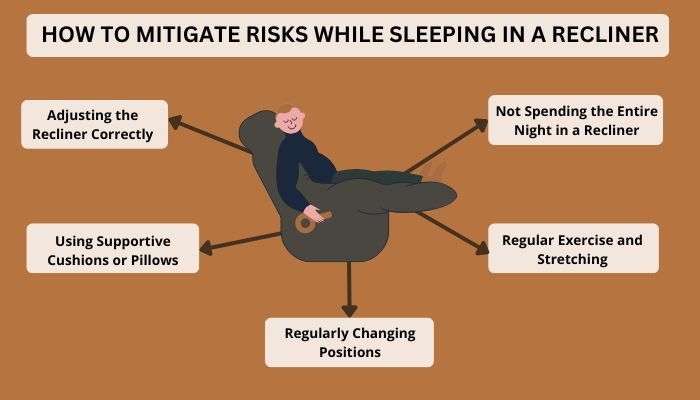
If you choose to sleep in a recliner, there are several steps you can take to reduce potential risks and increase comfort.
You need to listen to your body and adjust your habits accordingly. If sleeping in a recliner causes discomfort or exacerbates health problems, it might be worth reconsidering. Always consult with a healthcare provider if you're unsure.
Expert Opinions
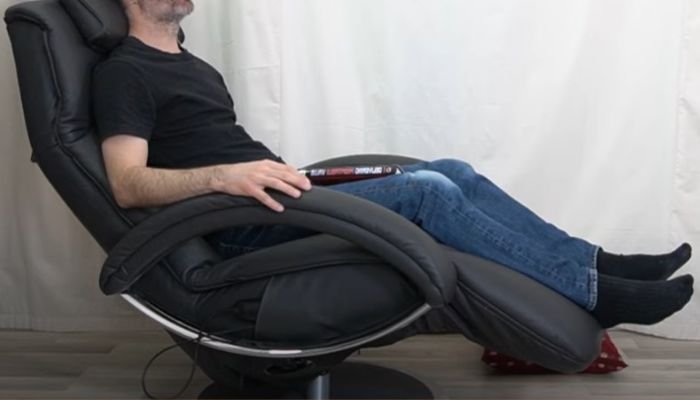
To provide a more holistic view of this topic, let's explore the perspectives of various professionals who frequently address sleep and posture issues.
However, it's worth noting that these professionals also recognize that certain situations may necessitate sleeping in a recliner. Individuals with specific health conditions, as mentioned earlier, may find recliners beneficial, and for pregnant women, recliners may offer more comfort than a conventional bed.
