

DIY Knee Massage: Techniques You Can Try at Home
The knee, while one of the most fundamental joints in our body, is often subjected to the stresses and strains of daily life, be it from prolonged periods of sitting, athletic endeavors, or just the wear and tear of aging. With such pivotal roles in mobility and support, ensuring the health and functionality of our knees becomes paramount.
Knee massages emerge as a potent remedy, not only for those moments when our knees feel sore but also as a preventive measure against more serious ailments.
But what if you could harness the therapeutic benefits of a knee massage without the frequent trips to a professional masseuse? In this guide, we'll delve into the art and science of DIY knee massage, offering techniques you can easily and safely try at home.
Whether you're looking to alleviate minor aches or simply indulge in a relaxing self-care ritual, these techniques promise both relief and rejuvenation.
Benefits of DIY Knee Massage
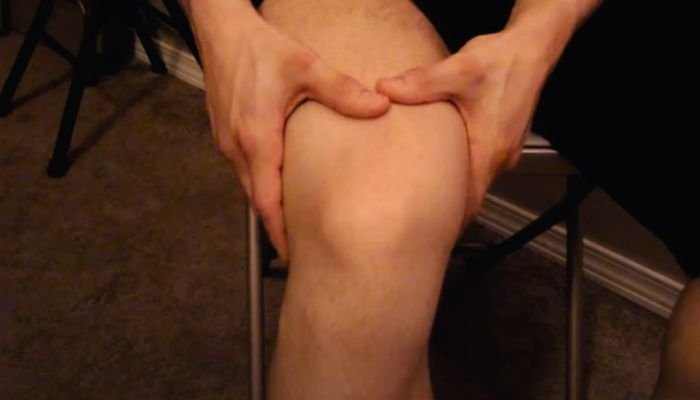
Pain Relief and Relaxation
One of the most immediate and gratifying benefits of a knee massage is the relief from pain. With the right techniques, a massage can target those sore and achy spots, relaxing the muscles and reducing inflammation. The rhythmic pressure and manipulation also activate the body's natural relaxation response, leading to both physical and mental unwinding.
Increased Blood Flow and Circulation
Massage encourages better blood circulation around the knee. This enhanced blood flow means more oxygen and nutrients are delivered to the muscles and tissues, promoting faster healing and overall knee health.
Improved Flexibility and Range of Motion
Over time, tension and tightness can limit the knee's movement. Regular massage can alleviate this tension, ensuring the muscles and tendons around the knee are more pliable. This can result in a noticeable improvement in the joint's flexibility and range of motion, making daily activities and exercises smoother.
Cost-effective and Convenient
While professional massages are undoubtedly beneficial, they can sometimes be costly and require scheduling in advance. DIY knee massages offer the luxury of anytime relief without the recurring expenses. Whether you're watching TV, taking a break from work, or winding down before bed, you can easily integrate these techniques into your routine without any fuss.
In essence, the art of self-massage for the knee, when practiced with care and consistency, can be a transformative experience. Not only does it provide immediate relief from discomfort, but it also lays the foundation for long-term knee health, ensuring that this vital joint remains robust and resilient throughout life's various challenges.
Preparing for Your DIY Knee Massage
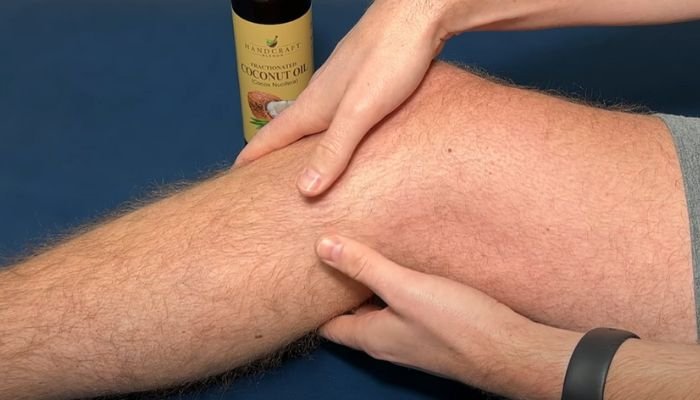
Before diving into the massage techniques themselves, ensuring you're adequately prepared can make the experience more effective and enjoyable. Here's how to set the stage for an optimal massage session at home.
Choose a quiet, relaxing environment where you can focus solely on your massage. This might be a cozy corner of your bedroom, a dedicated space in your living room, or even outdoors if the weather is favorable. Lay down a comfortable mat or blanket, and ensure you have pillows or cushions on hand for added support if needed.
While your hands are the primary tools, there are a few additional items that can enhance the massage experience:
Oils reduce friction on the skin, allowing for smoother strokes. Opt for natural oils like coconut, almond, or jojoba. If you're interested, you can also explore essential oils with anti-inflammatory properties like lavender or eucalyptus, but always ensure they are diluted properly.
Keep a clean towel nearby to wipe away any excess oil or sweat. Foam rollers and massage balls are not necessary for every session, but these tools can help in targeting deeper tissue and specific pressure points.
Starting your massage when you're already somewhat relaxed can enhance the benefits. Spend a few minutes doing deep breathing exercises or gentle stretches. This not only prepares your body but also signals to your mind that it's time to focus on self-care.
Basic Knee Anatomy

Before we dive into the techniques, it's useful to have a foundational understanding of the knee's anatomy. Recognizing the key components can help you target your massage more effectively and understand the sources of potential discomfort or pain.
1. Bones:
The knee joint is where three bones meet: the femur (thigh bone), the tibia (shin bone), and the patella (kneecap). The patella acts as a shield for the joint, facilitating its bending and straightening.
2. Cartilage:
This is a smooth and slippery substance that covers the bones and aids in the smooth movement of the knee. The meniscus, a type of cartilage, acts as a cushion between the femur and tibia.
3. Ligaments:
These are strong, cord-like structures that stabilize the knee by connecting bones to each other. There are four main ligaments in the knee:
4. Tendons:
These attach muscles to bones. The most notable tendon in the knee is the patellar tendon, which attaches the quadriceps muscle to the shin.
5. Muscles:
Several muscles surround the knee, aiding in its movement. The quadriceps on the front of the thigh help in straightening the knee, while the hamstrings on the back of the thigh assist in bending it.
6. Bursae:
These are small fluid-filled sacs that reduce friction between the moving parts in the knee.
When massaging the knee, remember that while some of these components, like muscles, can benefit from direct pressure, others, like the ligaments and tendons, need gentler treatment.
Always listen to your body's cues and be cautious around areas that feel particularly sensitive or tender. With this basic understanding of the knee's anatomy, you'll be better equipped to approach your DIY massage with confidence and care.
DIY Knee Massage Techniques
Now that you're prepared and have a basic understanding of knee anatomy, let's explore some effective massage techniques that you can easily implement at home. Remember, always start with light pressure and gradually increase based on comfort.
1. Basic Palming and Kneading:
Description and Steps: Begin by warming the knee area with gentle palming. Place both palms on either side of the knee and make soft circular motions. Progress to kneading, where you gently pinch and release the soft tissue around the knee, similar to kneading dough.
Benefits and When to Use: This basic technique helps to increase blood flow and warms up the muscles, making it a great starting point for any massage session.
2. Circular Friction Technique:
Description and Steps: Place your fingers on a specific point of discomfort or tightness. Apply gentle pressure and move your fingers in small, circular motions. This technique digs deeper than simple palming and can help to break up minor knots or areas of tension.
Addressing Specific Pain Points: If there's a particular area that's sore or tight, spend a little more time here, but remember not to press too hard.
3. Petrissage or Squeezing:
Description and Steps: This technique involves lifting and compressing the soft tissues around the knee. Using your thumb and fingers, gently lift and squeeze the muscles, then release. This motion should be rhythmic and can range from gentle to firm based on your comfort.
Benefits for Muscle Tension: Petrissage is particularly effective for releasing muscle tension and ensuring the muscle fibers are loose and relaxed.
4. Tapotement or Gentle Tapping:
Description and Steps: With relaxed hands and using the tips of your fingers or the sides of your hands, gently tap around the knee area. The movement should be rhythmic and can vary in intensity.
Stimulating Blood Flow and Relaxation: Tapotement invigorates the area, stimulating blood flow and providing a refreshing sensation to the muscles.
5. Using Massage Tools:
How to Utilize Foam Rollers and Massage Balls: For deeper tissue work, you can use a foam roller or a massage ball. Place the tool against the thigh or calf muscles and apply gentle pressure as you roll back and forth. For the massage ball, you can also place it under the thigh or calf and apply pressure by sitting or lying down, allowing the ball to press into the muscles.
Targeting the IT band and Quadriceps: These tools are especially beneficial for areas like the IT band (running down the outside of the thigh) and the quadriceps, which might require deeper pressure to alleviate tension.
Using Electronic Knee Massagers
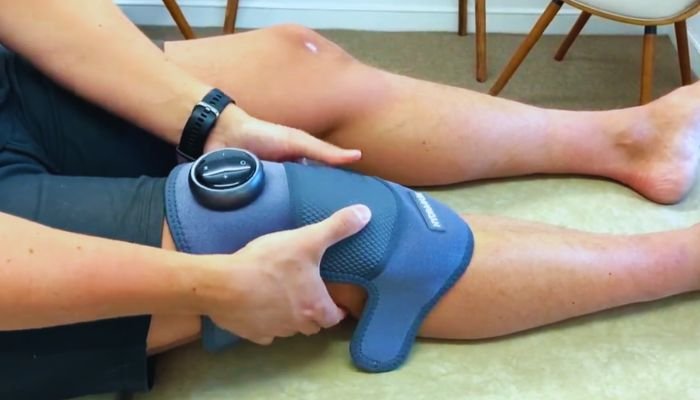
In recent years, electronic knee massagers have surged in popularity due to their convenience and effectiveness. They provide targeted relief through various modes like vibration, heat, and compression. Here's how to make the most of these devices:
Description and Benefits: Electronic knee massagers are devices designed specifically for the knee, often resembling a wrap or brace. They come equipped with features like:
How to Use
When to Choose an Electronic Knee Massager
If you find that manual massage techniques aren't providing the relief you need, or if you're looking for a more passive form of treatment where the device does most of the work, an electronic knee massager can be a worthy investment.
Safety Precautions
Avoid using on broken or irritated skin.
If the device feels uncomfortably hot, switch it off and allow your skin to cool.
Those with certain medical conditions, such as deep vein thrombosis or electronic implants like pacemakers, should consult with a medical professional before using.
Aftercare: Post-Massage Best Practices
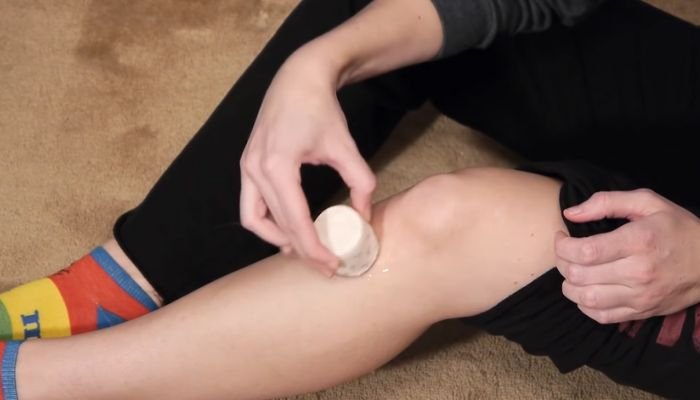
After indulging in a therapeutic knee massage, the steps you take next are vital to amplifying and extending the benefits of your session. Proper hydration is paramount. Massaging stimulates circulation, which can often release toxins from your muscles. Drinking ample water aids in flushing these toxins from the body, ensuring a cleaner and more refreshed feeling.
Stretching is another essential post-massage practice. Your muscles, now relaxed and supple from the massage, are primed for some gentle stretching. Simple leg stretches, targeting the hamstrings, calves, and quadriceps, can help maintain flexibility and prevent stiffness. Each stretch should feel comfortable and held for about 20-30 seconds to achieve the best results.
In instances where you've worked deeply on your knee or notice any swelling, applying a cold compress can be invaluable. It helps in reducing inflammation and provides a soothing effect. While you can opt for commercial cold packs, even something as simple as a bag of frozen peas, wrapped in a cloth, can be effective. Just ensure it's applied for around 15-20 minutes to the affected area.
Following a massage, taking a moment to lie down and elevate your legs offers multiple benefits. Not only does it help in reducing any potential swelling, but the act of elevating your legs also supports better blood flow, especially back towards the heart. It’s a restful position that also gives you a moment of relaxation after your therapeutic session.
While the urge to get up and move might be strong, especially after a refreshing massage, it's crucial to steer clear of intense activities right away. The knee, even though relaxed, might not be ready for rigorous exercises immediately post-massage. Instead, consider light activities like a casual walk or some gentle yoga poses. This way, you keep your body in motion without straining your freshly massaged knee.
If you've used massage oils, it’s a good idea to moisturize the skin around your knee. A gentle moisturizer will keep the skin hydrated. And, if you plan on stepping outside, remember that some oils can make the skin more sensitive to the sun, so it's wise to protect the area from prolonged sun exposure.
Lastly, always listen to your body's feedback. The way your knee responds in the hours and days following your massage provides valuable insights. If there's any prolonged discomfort, redness, or unusual swelling, it's an indication to revisit your massage techniques or even consult with a medical professional.
