
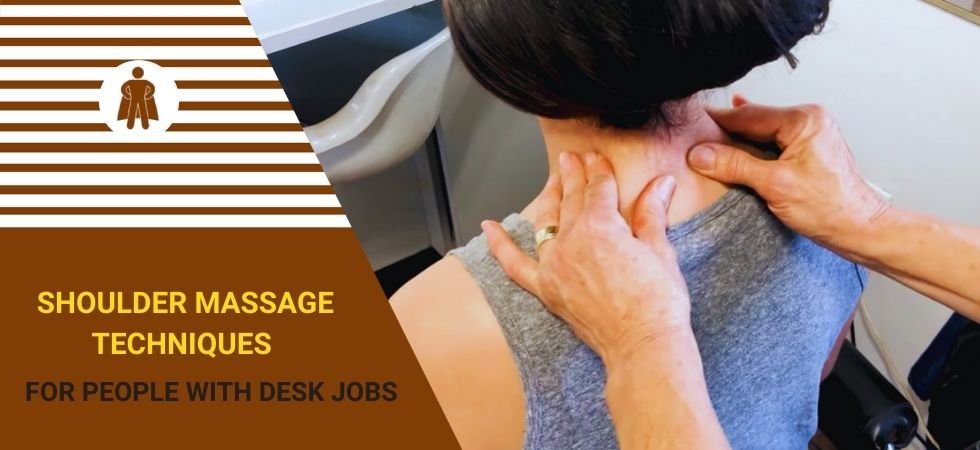
Shoulder Massage Techniques for People with Desk Jobs
In the modern era of digital revolution, desk jobs have become a common part of our daily routine. With this new normal comes a significant shift in our physical lifestyle, one that has brought about an array of health concerns - the most prevalent being those related to the neck and shoulders.
Hours spent hunched over computers and continuous poor posture lead to an increase in tension and discomfort in these areas. Therefore, shoulder massages have emerged not as a luxury, but a necessity for people with desk jobs.
The importance of shoulder massages goes beyond mere relaxation. It serves as a tool for alleviating the physical stress accumulated during long working hours.
This article aims to delve into the dynamics of shoulder massage techniques specifically tailored for people with desk jobs, the benefits they bring, and how you can incorporate them into your daily routine. Stay with us as we explore these steps towards a more comfortable and pain-free workday.
The Impact of Desk Jobs

Desk jobs, while beneficial for many businesses, unfortunately bear a significant impact on employees' physical health, primarily affecting the neck, back, and shoulders. The act of sitting in front of a computer for prolonged periods, often in a static position, can lead to a multitude of health issues, including muscle tension, strain, and overuse injuries.
Our shoulders, in particular, bear the brunt of this stress. The unnatural position of the neck and shoulders when we're hunched over a keyboard results in a condition known as 'tech neck' or 'mouse shoulder.' These conditions are characterized by persistent discomfort, tightness, and pain in the shoulder and neck region.
These symptoms are usually the result of the strain put on the muscles and tendons in the neck and shoulders as we crane our heads forward and keep our arms in a constant state of elevation to use the computer.
Poor posture exacerbates this problem. Slouching or rounding the shoulders, craning the neck forward, or simply not taking enough breaks to move around can lead to chronic shoulder pain, tension, and stiffness. Unfortunately, many people ignore these initial discomforts, and without appropriate action, these symptoms can develop into more serious long-term issues like chronic musculoskeletal disorders.
The Anatomy of the Shoulder

To effectively address the discomfort and issues associated with desk jobs, it is essential to have a basic understanding of the shoulder's anatomy. The shoulder is one of the most complex joints in our body, consisting of several bones, muscles, and tendons that provide a wide range of motion.
Key components of the shoulder include the clavicle (collarbone), scapula (shoulder blade), and humerus (upper arm bone). These bones are supported by a network of muscles, tendons, and ligaments, most notably the rotator cuff muscles, which play a crucial role in shoulder movement and stability.
Desk jobs primarily strain the trapezius and levator scapulae muscles. The trapezius muscle, which extends down the back of the neck and into the spine's upper region, is responsible for moving, rotating, and stabilizing the scapula (shoulder blade). The levator scapulae muscle, on the other hand, connects the cervical spine and the shoulder, playing a vital role in lifting the scapula.
When we hunch over our computers, these muscles are put in a state of constant tension, leading to stiffness, aches, and decreased flexibility over time. Additionally, other muscles such as the deltoids and the rhomboids can also be affected, further exacerbating discomfort.
Benefits of Shoulder Massage for Desk Workers

Regular shoulder massages can bring about numerous benefits, particularly for those who spend the majority of their day in a seated position at a desk. Here, we will explore how these massages can contribute to both physical and mental well-being:
Alleviation of Pain and Tension
Regular shoulder massages can help ease the tension and pain accumulated in the shoulder muscles due to extended hours of desk work. By stimulating blood flow and reducing muscle tightness, massages can bring relief from the discomfort associated with chronic shoulder strain.
Increased Range of Motion
Desk jobs often lead to a decrease in flexibility and range of motion in the shoulders due to prolonged static posture. Regular shoulder massages can help loosen tight muscles and increase joint flexibility, enhancing the overall range of motion.
Enhanced Posture
Poor posture is a common issue among desk job workers. Shoulder massages can help correct these postural imbalances by relaxing and strengthening the shoulder muscles, allowing for an upright and healthier posture.
Stress Reduction and Better Mental Health
The benefits of shoulder massages are not just physical. They also have a significant impact on mental health. The act of massage encourages the body to release endorphins - the body's natural "feel good" hormones, which can reduce stress, promote relaxation, and improve overall mood.
Improved Productivity and Concentration
With the reduction of physical discomfort and stress, workers can concentrate better on their tasks, leading to improved productivity. A relaxed and pain-free body can promote sharper focus and a more positive attitude towards work.
Incorporating shoulder massages into your regular routine can help manage the symptoms associated with prolonged desk work, contributing to a healthier, happier, and more productive work life.
DIY Shoulder Massage Techniques

While professional massages are excellent, they might not always be feasible due to time or financial constraints. Fortunately, self-massage techniques can also be highly effective in relieving shoulder tension and discomfort. Here are some simple DIY shoulder massage techniques that can be done at home or even at your desk:
Shoulder Squeeze
Neck Pull
Tennis Ball Roll
Arm Circles
Remember, the key to effective self-massage is to listen to your body. Apply pressure where you need it, but avoid causing pain or discomfort. If any of these techniques cause pain, stop immediately and consult a healthcare professional.
These DIY techniques can help you manage and relieve shoulder tension between professional massage sessions, making it easier to maintain your shoulder health.
Professional Shoulder Massage Techniques
While self-massage techniques are helpful for immediate relief, professional massage sessions can provide deeper and more comprehensive treatment, especially for chronic or severe shoulder tension. Here are some professional massage techniques that can benefit desk job workers:
Swedish Massage
Swedish massage is a gentle type of full-body massage that's ideal for people who have a lot of tension and are sensitive to touch. It can help release muscle knots, and it's also a good choice for when you want to fully relax during a massage. For desk workers, a Swedish massage can help alleviate the physical stress accumulated in the shoulders.
Deep Tissue Massage
Deep tissue massage uses more pressure than a Swedish massage. It's a good option if you have chronic muscle problems, such as soreness, imbalance, or injury. It can help relieve tight muscles, chronic muscle pain, and anxiety, making it an excellent choice for people with chronic shoulder tension from long hours at a desk.
Trigger Point Therapy
This type of massage is specifically designed to alleviate the source of the pain through cycles of isolated pressure and release. For those experiencing chronic shoulder pain, it can be incredibly effective. The recipient actively participates through deep breathing as well as identifying the exact location and intensity of the discomfort.
Myofascial Release
Myofascial release is a type of physical therapy often used to treat myofascial pain syndrome, a chronic pain disorder caused by sensitivity and tightness in your myofascial tissues. This massage technique helps reduce pain and increase mobility.
Consulting with a professional masseuse or physiotherapist can help you identify which massage technique will be most beneficial for your specific shoulder issues. Depending on your level of discomfort and tension, they may recommend regular sessions, varying from weekly to monthly.
Choosing a qualified professional is vital, so seek recommendations, read reviews, and don't hesitate to ask questions about their qualifications and experience, especially regarding desk-job related shoulder tension.
Professional shoulder massages, coupled with regular self-massage, can significantly alleviate the physical strains of a desk job, making your workday more comfortable and productive.
Incorporating Shoulder Massages into Your Routine

Now that we understand the benefits of shoulder massages and have explored various techniques, the next step is to make these massages a regular part of your routine. Below are some tips on how to seamlessly incorporate shoulder massages into your daily life.
Incorporate quick self-massage breaks into your workday. For example, every hour, take a few minutes to stretch and perform a quick shoulder massage. Not only will this help relieve muscle tension, but it can also increase productivity by providing a short mental break.
Beginning your day with a quick shoulder massage can help loosen any stiffness from sleep and prepare your body for the day ahead. Similarly, ending your day with a massage can alleviate any tension accumulated during the day and promote better sleep.
Combine your self-massage with other relaxing activities, such as listening to calming music, reading, or even watching TV. This can make your massage feel less like a chore and more like a treat.
If possible, schedule regular professional massages, such as once a week or once a month, depending on your needs and resources. Having these set in your calendar can ensure you do not overlook this crucial aspect of self-care.
Consider integrating other healthful practices such as yoga, pilates, or simple stretching exercises into your routine. These practices can complement your massages by keeping your shoulder muscles strong and flexible, further reducing tension and discomfort.
In conclusion, making shoulder massages a regular part of your routine requires a commitment to self-care. Remember, the health of your shoulders is directly related to your overall well-being and productivity. So, whether you are massaging your shoulders yourself or scheduling an appointment with a professional, make sure to prioritize this crucial aspect of your health.
