
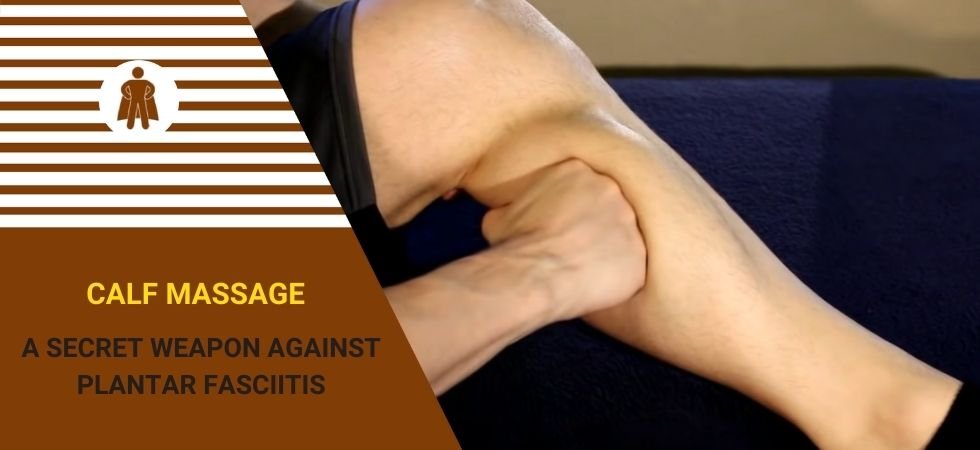
Calf Massage: A Secret Weapon Against Plantar Fasciitis
Plantar fasciitis, a common cause of heel pain, is a persistent problem for many, affecting their mobility and quality of life. This debilitating condition is known to be stubbornly resistant to treatment, often leaving patients in search of effective and non-invasive solutions.
While traditional treatments such as pain relievers, stretching, and rest are often the first line of defense, one less-known yet effective treatment is emerging as a secret weapon against plantar fasciitis - calf massage.
It may come as a surprise to many that a massage targeted towards the calf muscles can alleviate the symptoms of a condition that affects the foot. However, the interconnectedness of our body's muscular and skeletal systems offers some intriguing pathways for relieving pain and promoting healing.
This article delves into the promising role of calf massage as a therapeutic approach to managing plantar fasciitis, offering readers a deeper understanding of this technique and practical guidance on how to apply it.
Whether you're currently battling plantar fasciitis or seeking preventative measures, incorporating calf massage into your routine could provide the relief you've been seeking. Let's delve into the details and discover how this therapy works.
What Is Plantar Fasciitis
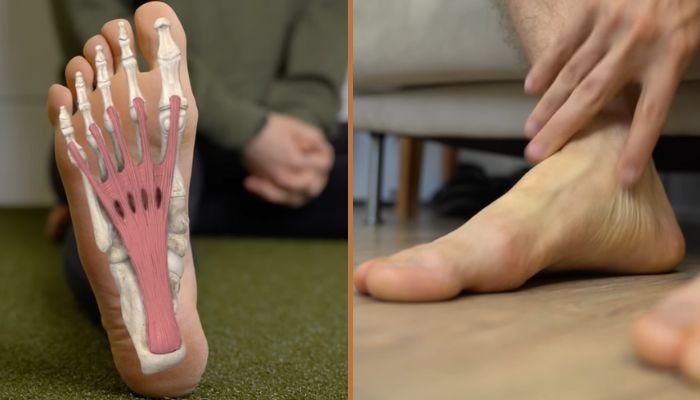
Plantar fasciitis is a common orthopedic complaint characterized by intense heel pain that is particularly noticeable during the first few steps in the morning or after periods of rest.
It occurs when the plantar fascia — a thick band of tissue that runs across the bottom of your foot and connects your heel bone to your toes — becomes inflamed. This inflammation can be excruciating, often compared to the feeling of a stabbing pain in the heel.
The exact cause of plantar fasciitis is not always clear, but certain factors can increase your risk of developing this condition. These include age, as plantar fasciitis is most common in people between the ages of 40 and 60. Certain types of exercise, such as long-distance running or ballet dancing, which place a lot of stress on your heel and attached tissue, can also contribute to the onset of plantar fasciitis.
Other risk factors include obesity, which adds extra stress to your plantar fascia, and occupational hazards, where jobs that keep you on your feet can also contribute to an inflamed plantar fascia.
The diagnosis of plantar fasciitis is usually based on a patient's medical history and a physical examination by a healthcare provider. Although imaging tests such as X-rays and MRI are not routinely used to diagnose plantar fasciitis, they might be performed in certain cases to rule out other conditions.
Traditional treatment methods for plantar fasciitis include rest, ice, over-the-counter pain medications, and physical therapy. More severe cases might require treatments such as corticosteroid injections or even surgery.
However, these more invasive methods carry their own risks and complications, leading many sufferers to seek gentler and more natural remedies. This is where calf massage, a lesser-known yet potent approach, comes into play.
The Anatomy of the Calf Muscle
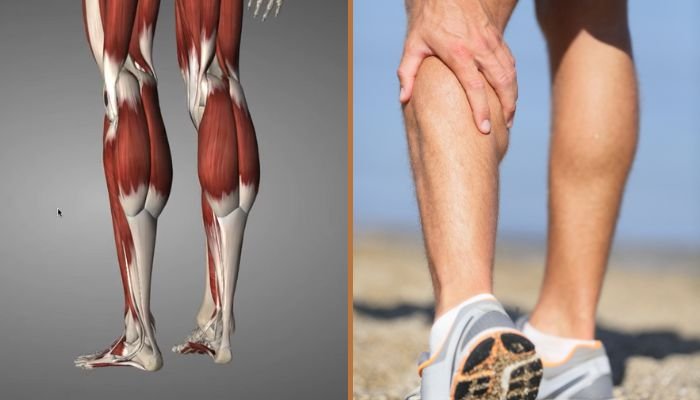
Understanding the connection between calf massage and plantar fasciitis relief requires a basic grasp of the anatomy involved. The calf, located at the back of the lower leg, is primarily made up of two muscles: the larger gastrocnemius and the deeper, smaller soleus. These muscles converge to form the Achilles tendon, which attaches to the heel bone.
But how does this link to the plantar fascia - the ligament that spans the bottom of the foot? The key lies in the body's kinetic chain, a concept that explains how different parts of the body affect each other.
In this case, the calf muscles, Achilles tendon, and plantar fascia are all connected in a chain. When one part of this chain becomes tight or dysfunctional, it can lead to problems elsewhere.
Tight calf muscles can increase tension on the Achilles tendon, which, in turn, pulls on the heel bone. This extra tension can transmit to the plantar fascia, leading to increased stress and potential inflammation - the hallmark of plantar fasciitis.
This connection makes it clear that maintaining supple and relaxed calf muscles can be an essential part of managing and preventing plantar fasciitis. It is in this context that calf massage becomes a vital tool in our therapeutic arsenal.
The Role of Calf Massage in Plantar Fasciitis Treatment
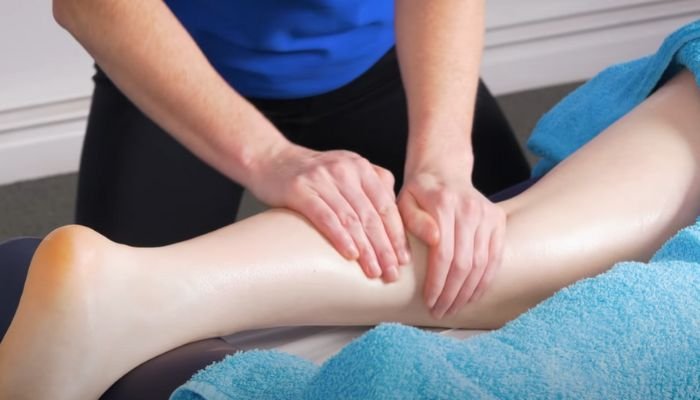
Having established the connection between the calf muscles and the plantar fascia, it becomes clear how calf massage could benefit those with plantar fasciitis. By focusing on the calf muscles, we can indirectly relieve tension and stress on the plantar fascia, reducing inflammation and promoting healing.
Scientific studies support this approach. For instance, research published in the Journal of Physical Therapy Science found that self-myofascial release (a technique often used in massage) of the calf muscles significantly reduced pain and improved function in people with plantar fasciitis.
Calf massage works by increasing blood flow to the area, reducing muscle tension, and promoting flexibility — all of which can decrease the pull on the plantar fascia. Furthermore, massage can also stimulate the body's natural healing processes, enhancing recovery and rehabilitation.
Regular calf massage can also serve as a preventative measure against plantar fasciitis. By regularly loosening tight calf muscles and promoting good muscle function, you can reduce the risk of the tension and inflammation that leads to plantar fasciitis.
It's not just a treatment for those who already have the condition, but a proactive strategy that can help avid runners, dancers, and people with occupations that require long periods of standing to avoid developing this painful condition.
Different Calf Massage Techniques
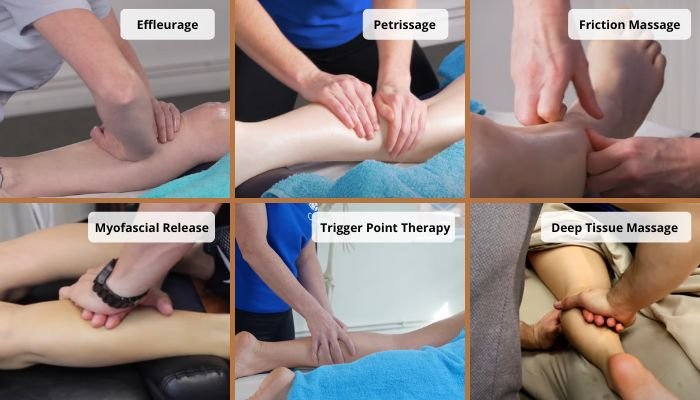
Calf massage can be performed in a variety of ways, each with its unique benefits. Here's an overview of some popular techniques:
The frequency and duration of calf massage can vary depending on the individual's needs and response to the treatment. However, a common recommendation is to perform self-massage for about 10 minutes per day. You might want to increase this duration if you're dealing with active plantar fasciitis symptoms.
Remember, while you want to apply enough pressure to affect the muscle, it shouldn't be so intense as to cause pain. If a technique hurts, ease up. Massage should generally be a comfortable and relaxing experience.
Calf Massage Tools and Equipment
Though hands are the most accessible tools for massage, there are a variety of tools and equipment that can help enhance the effectiveness of your calf massage, particularly for self-massage sessions:
Each of these tools has its pros and cons, so the best one for you depends on your specific needs, preferences, and budget. The key is to use the tool correctly and consistently for the best results. Always follow the manufacturer's instructions and listen to your body's responses when using these tools.
Considerations and Precautions
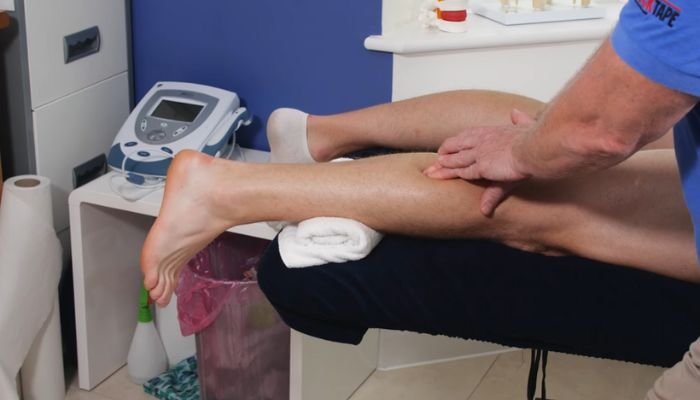
As we delve into the potential of calf massage for treating plantar fasciitis, it is crucial to remember the importance of seeking professional advice. Before embarking on a new treatment regimen, getting an expert opinion from a healthcare provider helps tailor the therapy to individual needs and ensures safety and effectiveness.
Paying attention to one's body is an essential aspect of self-care. During calf massages, any experience of pain or discomfort should not be ignored. While working out knots or tense areas might bring about some discomfort, sharp or severe pain is a clear signal to stop and reassess.
Sometimes, pain in the calf or heel might not be simple plantar fasciitis but a sign of a more serious underlying issue, such as a muscle tear or a blood clot. If one experiences persistent pain despite rest and self-care, or if symptoms such as redness, swelling, or warmth around the affected area are noticed, it is crucial to seek immediate medical attention.
A key to reaping the benefits of calf massage, or any physical therapy for that matter, is consistency. The occasional massage session, while beneficial, is unlikely to bring about lasting relief from plantar fasciitis. Instead, incorporating regular calf massage into a daily or weekly self-care routine could yield more noticeable results.
Lastly, it's important to remember that calf massage, while a potent tool in the arsenal against plantar fasciitis, is just one part of a comprehensive treatment strategy.
Pairing calf massage with other treatments such as stretching, strength training, and wearing appropriate footwear can result in a more effective and holistic approach to managing plantar fasciitis. By understanding and applying these considerations, one can use calf massage as a safe and effective tool in the fight against plantar fasciitis.
Conclusion
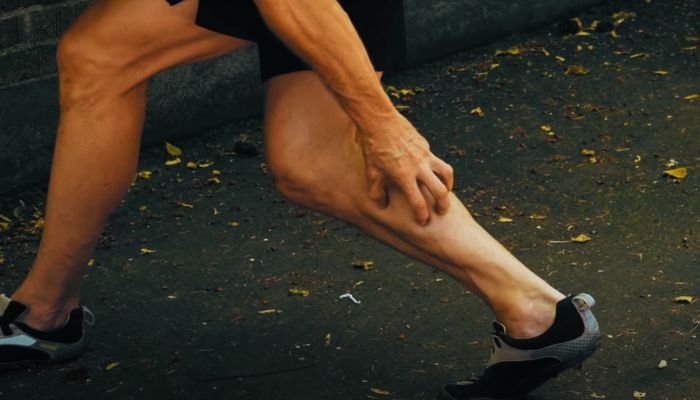
Plantar fasciitis, with its hallmark heel pain, can be a significant impediment to a person's daily activities and overall quality of life. While traditional treatments focus primarily on relieving symptoms, exploring the body's interconnectedness opens up new avenues for effective therapy.
Calf massage emerges as a surprising yet potent weapon against plantar fasciitis. By understanding and leveraging the kinetic chain linking our calf muscles, Achilles tendon, and plantar fascia, we can unlock a therapeutic approach that not only eases the pain of existing conditions but also helps prevent their occurrence.
Implementing calf massage, using a variety of techniques and tools, can lead to increased blood flow, reduced muscle tension, and improved flexibility in the calf muscles, effectively reducing the stress on the plantar fascia.
However, it's important to remember to employ this technique correctly and safely, keeping in mind the necessary considerations and precautions.
In the broader perspective of health and well-being, plantar fasciitis serves as a reminder of the importance of holistic care. The relief found in a calf massage for a foot condition illustrates how our bodies function as interconnected systems, and focusing on one part can bring about healing in another.
Thus, in our quest to maintain a healthy and active life, let's embrace therapies like calf massage — a simple yet powerful practice, a secret weapon against plantar fasciitis, and a testament to the incredible interconnectedness of the human body.
